Most GLP-1 food lists are written for someone deciding what to eat. That is not the situation. The situation is that you have a small and unpredictable window in which food appeals at all, and what lands in that window determines how the rest of the day goes.
So this list is organised by the problem each food solves, not by food group. It is general nutrition information rather than medical advice, and anything specific to your health belongs with your healthcare provider.
What should be on a GLP-1 food list?
The short version: protein that is easy to swallow, fibre you introduce gradually, and fluid you drink on a schedule rather than on thirst. Everything else is detail.
The organising principle is nutrient density per bite. When total food volume drops, each bite has to carry more than it used to. A food that was fine before may simply no longer earn its space.
Protein that is actually easy to get down
Texture matters more than it did before you started. Moist beats dry, soft beats chewy, and cold often beats hot when appetite is low.
- Greek yogurt — roughly 15 to 20 grams of protein per cup, cold, and requires no preparation.
- Cottage cheese — around 24 grams per cup, one of the highest protein-per-volume options available.
- Eggs — about 6 grams each, soft when scrambled, and tolerated by most people.
- Fish — salmon, cod, and tinned tuna are moist and need almost no chewing.
- Chicken thigh rather than breast — similar protein, far easier to finish. Dry chicken breast is one of the most commonly abandoned foods on a GLP-1.
- Tofu and lentils — soft-textured plant protein that works in soups, where fluid and protein arrive together.
- Protein shakes — on a day when nothing solid appeals, liquid protein is not a compromise. It is the whole point.
Fibre, and why it matters more than it used to
Constipation is among the most commonly reported side effects of GLP-1 medications, and eating far less food makes it more likely regardless. Fibre and fluid work together — fibre without enough fluid tends to make things worse rather than better.
- Berries, which bring fibre in a small, cold, easy-to-eat volume
- Oats, which absorb fluid and go down easily
- Beans and lentils, which carry fibre and protein in the same bite
- Cooked vegetables, which are usually easier to tolerate than raw
Increase fibre gradually rather than all at once. A sudden jump tends to backfire.
What tends to sit badly?
GLP-1 medications slow the rate at which the stomach empties. That is part of how they work, and it changes which foods are comfortable.
The common culprits are high-fat and fried foods, which stay in the stomach longest; large portions, since volume is the most frequent trigger of discomfort; carbonated drinks; and alcohol, which many people find they tolerate differently than before.
None of these are forbidden. But if you are having a hard time, they are the first place to look — and persistent symptoms are worth raising with your prescriber rather than solving through diet alone.
How much should you be drinking?
Thirst cues often fade alongside appetite, which means waiting until you feel thirsty is no longer a reliable system. Most people do better drinking on a schedule — a glass on waking, one with each meal, one mid-afternoon — than on demand.
Fluid also does real work for the fibre above, and dehydration can look a lot like fatigue.
How do you build a plate when you can only eat a little?
Order matters more than composition. Protein first, then vegetables or fibre, then whatever starch you still have room for. If you only finish half of what is in front of you, this ordering means the half you finished was the half that mattered.
Smaller and more frequent tends to beat larger and less frequent. Three or four modest eating occasions is usually more achievable than two substantial meals.
How should you use this list?
Not as a shopping list to copy. Use it as a set of criteria: is this protein-dense for its volume, is the texture something I will actually finish, and does it bring fluid or fibre along with it? Those three questions will let you extend this list to anything in your own kitchen, which is more useful than any list someone else wrote.
Where Project LeanNation fits
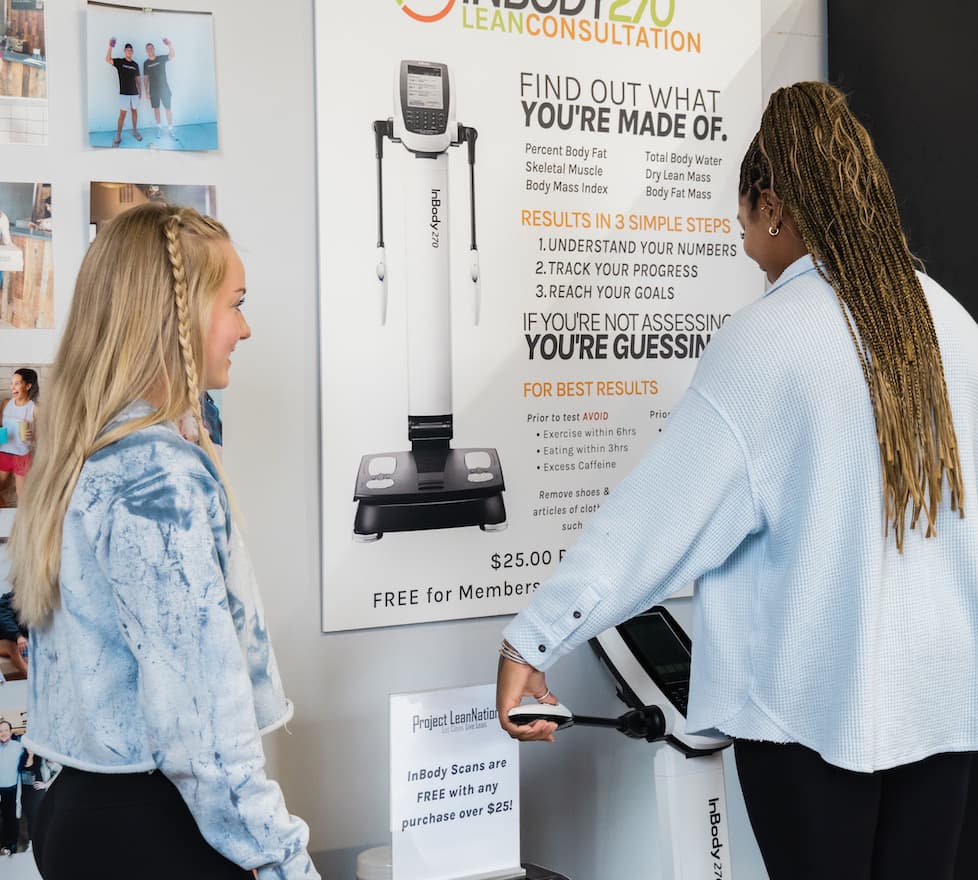
Project LeanNation is a membership-based nutrition retailer offering macro-tracked prepared meals, coaching, and InBody body composition scanning. Project LeanNation does not prescribe or supply GLP-1 medications.
The relevance to this list is narrow and practical. Every meal is portioned to a known protein and macronutrient target, which removes the arithmetic on the days you have no interest in doing it — and a coach reviewing your body composition can tell you whether what you are eating is holding up, which no food list can.
This article is general nutrition information and is not medical advice. Project LeanNation is not a medical provider. Decisions about your medication, side effects, or individual nutrition needs should be made with your healthcare provider.